TL;DR
Not every property around Greater Manchester is connected to the mains sewer network — homes on the semi-rural fringe, including parts of Bramhall and Hazel Grove, often rely on a septic tank or a small package treatment plant instead. These systems are regulated separately from mains drainage, under the Environment Agency’s General Binding Rules for small sewage discharges, and they need a different maintenance routine to keep working properly. Skipping regular emptying doesn’t just risk a blockage — it can mean a system falling out of step with the rules that govern it. If you’re not sure what’s under your garden or when it was last serviced, request a fixed-price quote online and we’ll help you find out.
Not Every Manchester Property Is on the Mains Network
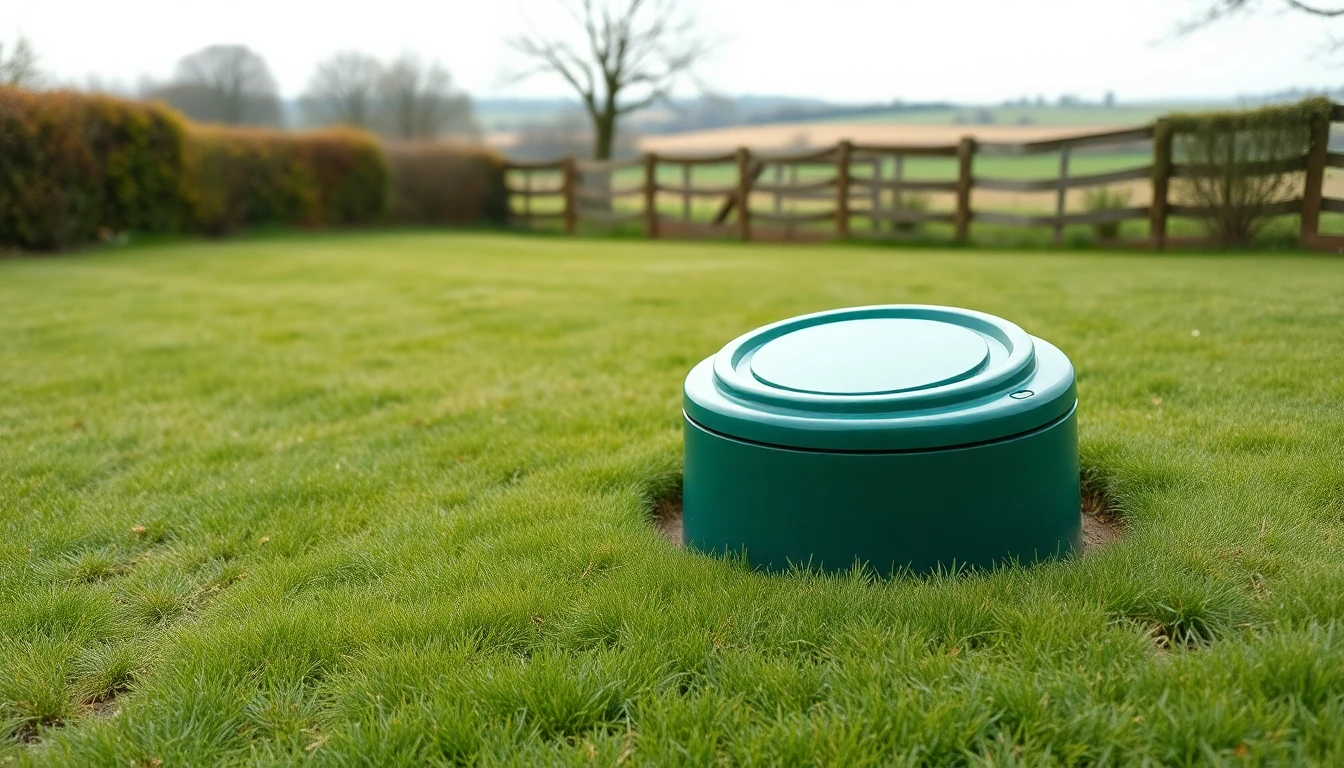
Greater Manchester is mostly served by United Utilities’ mains sewer network, but that coverage isn’t universal. Properties on the edges of the conurbation — including parts of Bramhall and Hazel Grove, and pockets of the more rural fringes around the Wigan borough — can be far enough from the mains network that connecting was never practical, and instead rely on a septic tank or small sewage treatment system installed on the property itself. If you’ve bought a home in one of these areas, it’s worth confirming which type of system you have and how it was last serviced, because the previous owner’s paperwork doesn’t always make it to you.
It’s easy to assume every property in Greater Manchester sits on the same network, simply because most of the built-up area does. But off-mains drainage is more common than people expect on the genuinely rural or semi-rural edges of the conurbation, wherever housing thins out and the cost of extending a mains connection was never practical for a small number of properties. If in doubt, a conveyancing search or a look at your property’s original building control records will usually confirm which type of drainage you have.
Septic Tank or Package Treatment Plant?
A septic tank is the simpler of the two systems: wastewater settles and partially breaks down inside the tank, and the liquid that overflows out the other end still needs further treatment, usually through a drainage field in the ground. A package treatment plant does more of that treatment work mechanically on-site, typically using an aerator or similar process, and generally discharges cleaner water than a septic tank alone — often directly to a ditch or watercourse under the right permissions. Knowing which one you have matters, because the emptying frequency and the regulations that apply to each aren’t identical.
There’s also a shared drainage field or soakaway to think about with either system. Even a tank or plant that’s been emptied on schedule can still cause problems if the ground around it has become waterlogged or compacted, since that stops the final stage of treatment working as intended. A system that keeps needing attention despite regular emptying is often a sign the drainage field itself needs assessing, not just the tank.
The Rules That Actually Govern These Systems
Small sewage discharges like these are covered by the Environment Agency’s General Binding Rules, which set out what’s allowed without an individual permit — covering things like where a system is allowed to discharge, when it needs upgrading, and what happens if a property changes hands. If a septic tank discharges directly to a watercourse rather than to a drainage field, for example, the rules are generally stricter, and older systems installed under previous regulations may need upgrading over time. It’s worth reading the current guidance on GOV.UK directly if you’re unsure whether your system complies, since the rules are specific and depend on your exact setup.
Signs Your System Needs Attention
A septic tank or treatment plant that needs emptying doesn’t usually fail quietly. Watch for slow-draining sinks and toilets across the whole property rather than just one fixture, unpleasant odours near the tank or drainage field, unusually lush or waterlogged grass over the field itself, or gurgling from drains after heavy use. Any of these are worth investigating before the system backs up completely, which is a far bigger job to put right than a routine empty.
Timing matters as much as the symptoms themselves. Systems tend to come under the most pressure after periods of heavy or prolonged rainfall, when the surrounding ground is already saturated and has less capacity to absorb the treated water leaving the drainage field. If problems consistently show up after wet weather rather than being constant, that’s a useful clue when describing the issue to whoever comes out to assess it.
Keeping an Off-Mains System Compliant and Working
Regular emptying is the single biggest factor in keeping a septic tank or package plant working as intended and within the General Binding Rules. Our septic tank emptying service covers both tank types, along with treatment plant servicing for properties running a mechanical system rather than a basic tank.
Not Sure What’s Under Your Garden?
If you’ve inherited an off-mains system in Bramhall, Hazel Grove or further out toward Wigan and don’t have a service history for it, it’s worth finding out sooner rather than later — both to avoid an inconvenient failure and to make sure the system you now own is actually compliant with current rules, not just the ones that applied when it was installed. Request a fixed-price quote online and we’ll assess the system and get it back on a proper schedule.