TL;DR
Fat, oil and grease (FOG) is one of the most persistent causes of blocked drains in food and hospitality premises, and Manchester’s dense restaurant and takeaway scene — from the Curry Mile in Rusholme to the cafés and kitchens around Ancoats — produces a lot of it, every single day. Poured down a sink while hot, grease looks liquid; once it cools inside the pipe it sets solid, narrowing the bore and trapping food debris until the drain blocks completely, often at the worst possible time for a trading kitchen. Commercial premises have obligations around trade effluent that a domestic kitchen doesn’t, which makes prevention and a proper maintenance routine worth more than firefighting each blockage as it happens. If your kitchen drains are running slow or smelling, request a fixed-price quote online before it costs you trading hours.
Why Grease Behaves Differently Once It’s Down the Drain
Fat, oil and grease look harmless going down a sink when they’re hot and liquid. The problem starts as soon as they cool inside the pipe: grease sets into a waxy solid that clings to the inside of the drain, narrowing the usable bore with every wash-up. Food particles, starch and fibrous waste then catch on that layer instead of flowing through, and the blockage builds in stages rather than happening all at once — which is why a kitchen drain often goes from “a bit slow” to “completely blocked” within the space of a single busy service.
Cold water doesn’t solve the problem either. Running the tap while pouring fat down a sink just moves the point at which it solidifies further along the pipe, rather than stopping it setting at all — it typically ends up coating a longer stretch of pipework instead of building up in one obvious spot near the sink, which can make the eventual blockage harder to pin down without a proper inspection.
A City Built Around Food
Manchester’s food and hospitality scene is dense and constant, from the concentration of restaurants and takeaways along Rusholme’s Curry Mile to the cafés, bars and kitchens that have grown up around Ancoats and the wider Manchester city centre. That density means a large volume of cooking oil and food waste going into the drainage network every day, from premises that are often older buildings never designed with commercial-scale kitchen output in mind. A blocked drain in a trading kitchen isn’t just an inconvenience — it can mean closing a section of the kitchen, or the whole premises, until it’s cleared.
Many of these buildings were originally shops, houses or small workshops long before they became restaurants, so the drainage inherited by a modern commercial kitchen is often domestic-scale pipework being asked to do a job it was never designed for. That mismatch between original building use and current kitchen output is a recurring theme across older high streets and food quarters right across the city, not just in any one postcode.
Commercial Kitchens Have Different Obligations
Domestic kitchens and commercial kitchens aren’t treated the same under drainage and environmental rules. Food business premises that discharge trade effluent — which includes kitchen wastewater carrying fat and food residue — may need a trade effluent consent from United Utilities, and best-practice guidance consistently points to grease management equipment and a documented maintenance schedule rather than relying on the public sewer to cope. It’s worth checking your own obligations directly with United Utilities or your local environmental health team, since requirements vary by premises size and discharge volume.
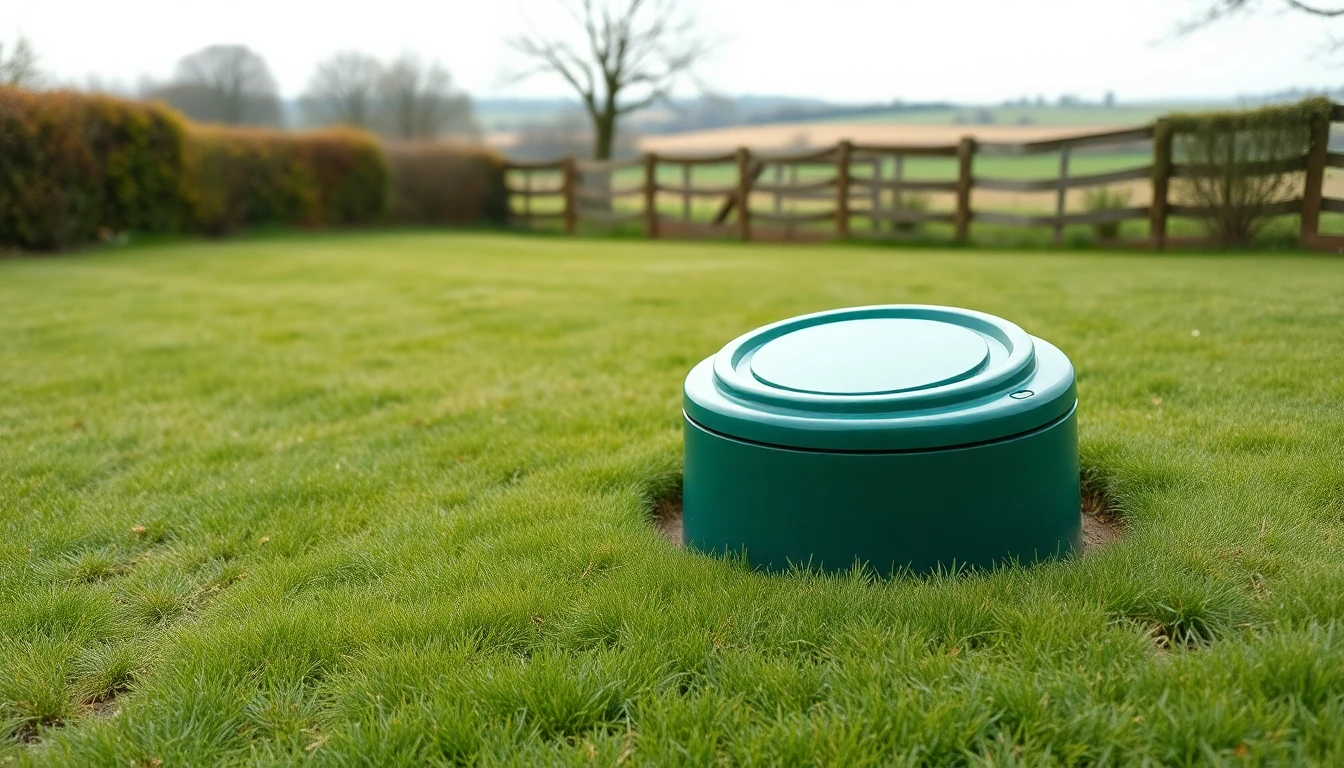
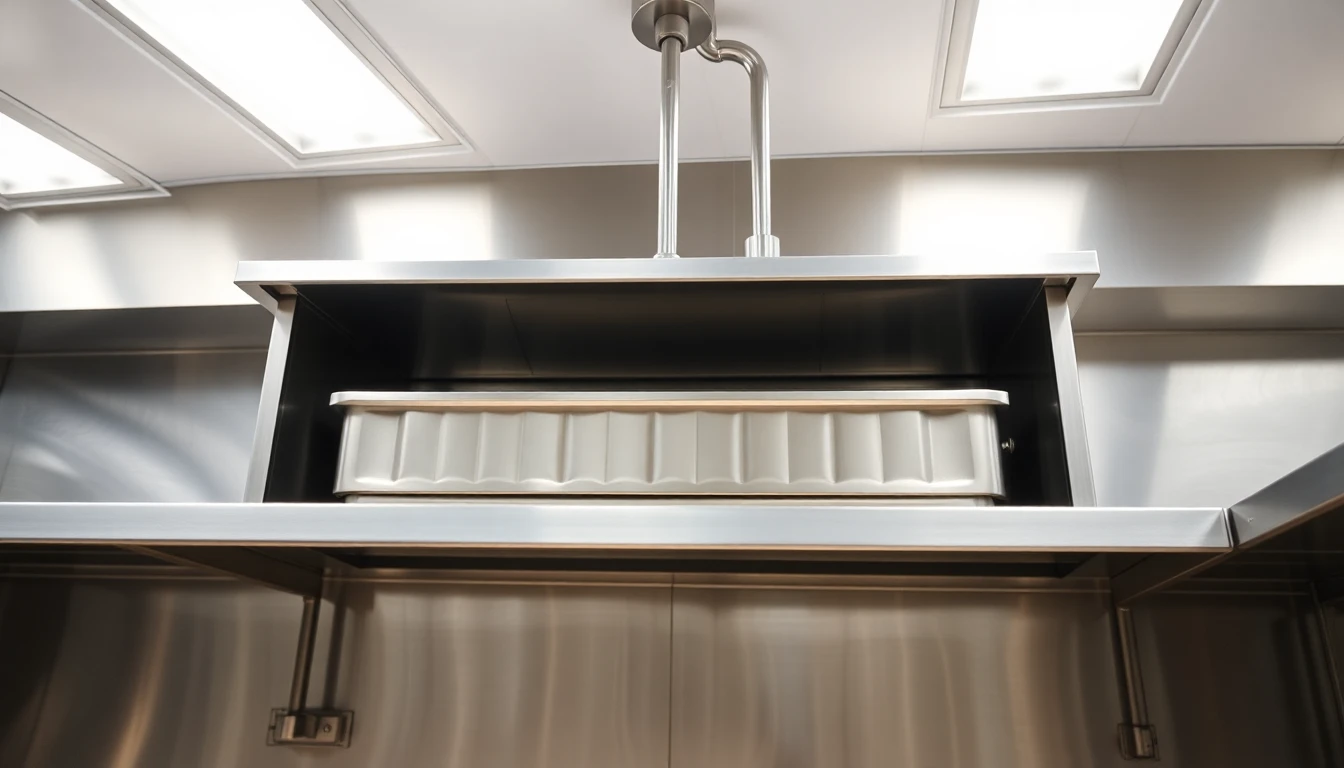
Beyond the regulatory side, a grease trap or interceptor that isn’t cleaned on a regular schedule stops doing its job well before it visibly overflows, which means it can be giving a false sense of security right up until the drain downstream blocks anyway. Pairing any grease management equipment with a documented emptying and drain-clearance routine tends to be the difference between a kitchen that occasionally needs attention and one that’s regularly fighting the same blockage.
Clearing an Established Blockage
Once grease has built up over weeks or months, a standard rod often isn’t enough to shift it — it can push a channel through the blockage without actually clearing the pipe wall, so the same problem returns within days. Commercial drain jetting uses high-pressure water to strip built-up grease from the full internal surface of the pipe, which is a more thorough approach for kitchen-scale blockages than manual rodding alone. A CCTV check afterwards can also confirm the pipe has actually been cleared back to its original diameter, rather than just enough to get water flowing again.
Prevention Beats Reactive Callouts
For any premises dealing with recurring grease problems, a scheduled approach tends to work out better than waiting for the next emergency callout. Our commercial maintenance plans include a dedicated restaurant and hospitality drain maintenance option, built around routine jetting and inspection before a blockage takes a kitchen offline during service.
Protect Trading Hours, Not Just the Pipe
A blocked kitchen drain during service costs more than the clearance itself — it costs trading time, and a repeat blockage in the same week tends to mean the underlying grease build-up was never fully addressed the first time. If your premises anywhere across Manchester or neighbouring Salford is dealing with recurring grease blockages, request a fixed-price quote online and we’ll look at a maintenance schedule as well as clearing the immediate problem.